News
Latest Round of Cooling Measures Gradually Taking Effect
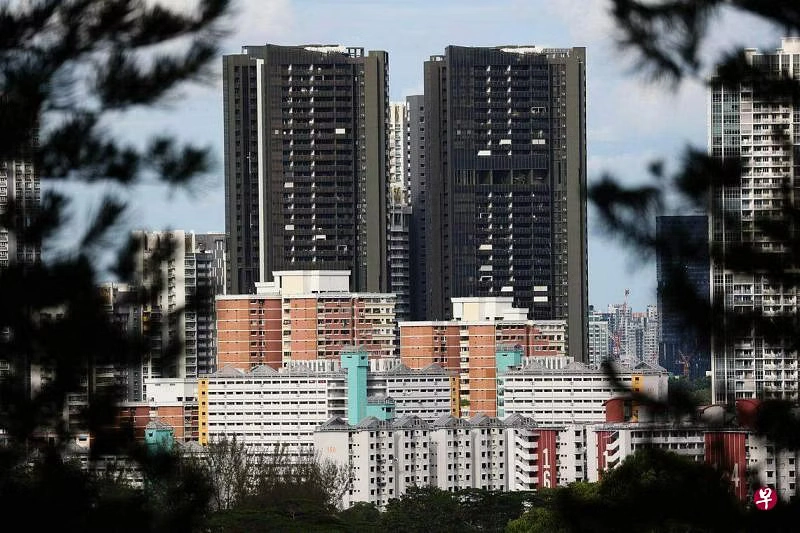
The latest round of property cooling measures is gradually working its way through the market, and the government is closely monitoring macroeconomic conditions as well as real estate trends, ready to step in and adjust housing policies when necessary.
Speaking at the Singapore Estate Agents Conference, Minister in the Prime Minister's Office and Second Minister for Finance and National Development Indranee Rajah reaffirmed the importance of fostering a stable and sustainable property market.
She noted that the government introduced two rounds of measures in December 2021 and September 2022 to moderate private residential demand and encourage buyers to exercise greater financial prudence. Last month, a new round of measures was rolled out to raise the Additional Buyer's Stamp Duty (ABSD) for certain categories of buyers, aimed at curbing investment demand from both local and foreign purchasers to prioritise housing for Singaporeans buying for owner-occupation.
She said: "We took pre-emptive measures because residential investment demand could continue to grow if left unchecked. If we took no action, the property market could run ahead of economic fundamentals. Hence, it was necessary for us to intervene."
The latest cooling measures took effect on 27 April, raising the ABSD for most residential purchasers by between three and 30 percentage points. Foreign buyers saw the sharpest hike, with their ABSD rate doubling from 30% to 60%.
Ms Indranee said that if the upward momentum in home prices continued unabated amidst slower economic growth and rising interest rates, private home prices could outpace economic fundamentals, risking a sustained divergence of prices relative to incomes. "We do not want this to happen, which is why we intervened recently with the ABSD measures."
Beyond the private residential transaction market, Ms Indranee also addressed the sharp rise in HDB resale prices and residential rents stemming from supply-demand imbalances.
Measures such as ramped-up construction show results, with signs of stabilisation in the HDB market
She noted that the government is expediting HDB construction works to catch up on pandemic-induced delays. At the same time, the supply of public housing is being ramped up, with up to 100,000 new flats to be launched between 2021 and 2025, including more flats with shorter waiting times.
These initiatives are already bearing fruit, with the HDB market showing early signs of stabilisation. For instance, the February Build-To-Order (BTO) exercise registered the lowest application rates since 2019. The increase in HDB resale prices was also the smallest in more than two years.
As for the residential rental market, Ms Indranee said upward rental pressures are expected to ease in the coming quarters as a substantial volume of private residential and HDB units are completed over the next few years.
In addition, Ms Indranee called on attending property agents to play a pivotal role in advising and guiding buyers, empowering them to make financially prudent and rewarding decisions.
She emphasised: "To do this, you need to understand not just the property development you are marketing, but also the applicable laws and regulations, as well as the latest housing policies and their underlying rationales."
Organised by the Singapore Estate Agents Association (SEAA), this year's conference was held at HDB Hub, serving as an important platform for property agents to understand how government agencies and industry players are transforming and progressing in the post-pandemic era.